5 benefits of choosing WFM software as your first solution
Workforce Management refers to end-to-end solutions that include Scheduling, HR, and Payroll.
1. ROI
75% of operating expenses in many organisations consist of staff costs. Next-generation solutions aim to address the specific areas affected by administrative tasks, over/understaffing, and agency spending. This accounts for approximately £6.5 million and 470,000 hours for every 1,000 employees.
2. Re-invest in the organisation
Efficiency savings can help pay for other investments, such as staff benefits, resident experience, or infrastructure.
3. Compliance & safeguarding
WFM keeps records for compliance & evidence gathering; with real-time Time & Attendance, it records where staff is at all times, tracks morale post-shift, and prevents under/overstaffing issues that can affect residents.
4. Continuity of care
Managers can create schedules that match residents with familiar employees each time - even when having to use agency staff, thus ensuring continuity of care.
5. Future-proof organisation
Next generation WFM will build a strong operational foundation that improves the staff and resident experience, while ensuring compliance, and facilitate choosing other systems as data will flow smoothly from it.
What are the systems at the core of a Care organisation?
When choosing the first digital solution - whether that is a brand new process or an improvement on a legacy provider - there are three core areas that transformation leads can focus on.
We’ve spoken extensively to leaders facing (and overcoming) these pressures, to be confident that the three systems at the core of the map are the best starting point.
Care planning and digital records keeping
The CQC’s recommendations together with generous government incentives - projected to end in April 2024 - have made care planning and digital records keeping one of the first areas organisations consider for digitisation.
From increased productivity to evidence-gathering, providers can reap the benefits of keeping real-time updates on care planning activities. This generally leads to better collaboration among multiple staff members, as everyone has access to the same information about a resident's changing needs.
However, digital care planning solutions aren't always the ideal first choice. Their impact on the organisation is generally reduced to record keeping, and they don't tend to contribute to overall efficiency or save costs.
Roll-out expenditures can also increase, as providers need to invest in hardware (phones or tablets) for each staff member and ensure the location's internet infrastructure is compatible.
Electronic medication administration
eMAR lifts another paper burden from Care staff and is generally the system of choice for organisations looking to keep track of a resident's current medication plan.
Since eMAR solutions usually record details like dosage and directions, they tend to simplify the process for Care staff, allowing them to electronically record administered medications without the hassle of manual pen-and-paper documentation.
The overall benefit is in the quality of evidence gathered and the increased assurance of resident safeguarding, but the impact on the business won't usually cover the implementation cost or support other future initiatives.
Customer relationship management
CRM solutions are designed to help organisations manage resident enquiries, occupancy rates, sales, and billing. They can support a marketing strategy and enable organisations to stay in touch with customers and prospects.
For these sales-focused Care organisations, CRM solutions can impact the occupancy rate, increasing it by approximately 30%. However, to make the most of their potential, a dedicated sales person or team is usually a requirement.
Workforce management
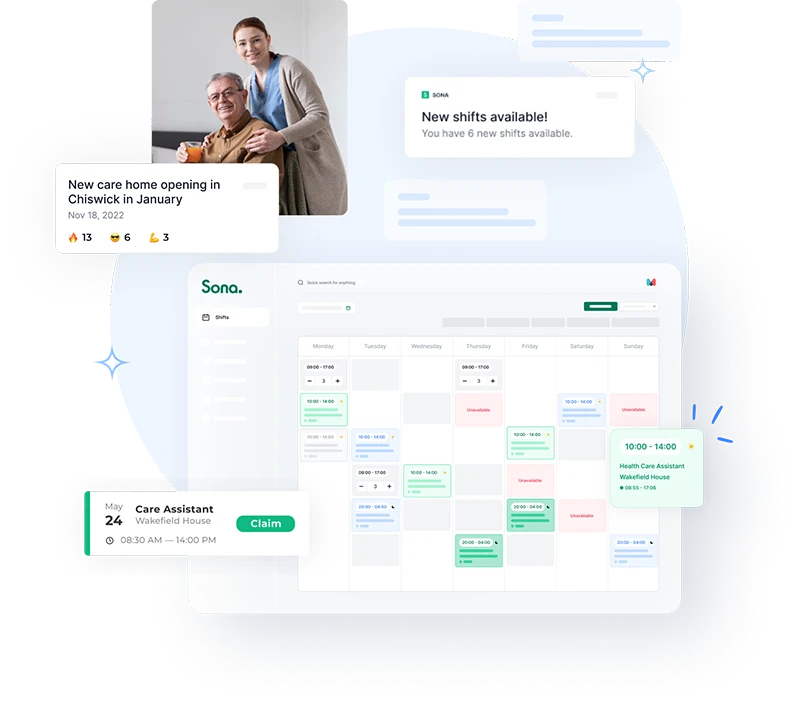
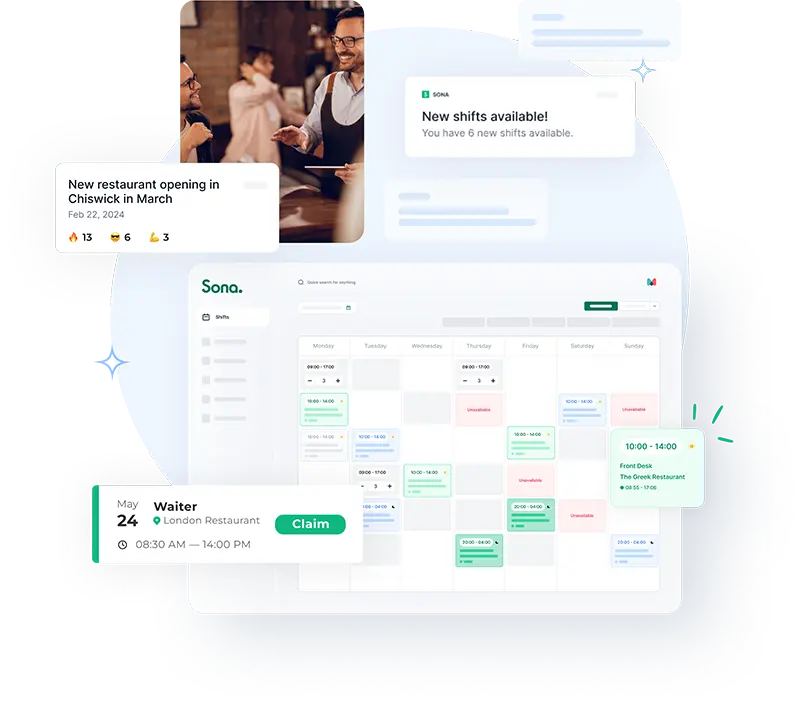
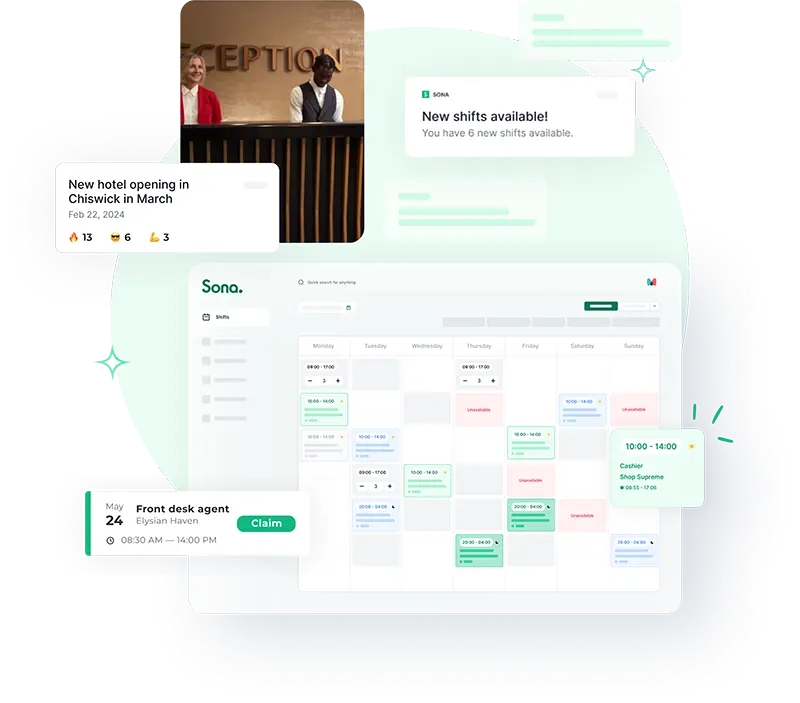
Scheduling software (also known as rostering or e-rostering) is a key solution for organisations looking to improve operations and wellbeing across the board.
75% of Care organisations costs are spent on staff costs (based on annual report data from leading UK Care organisations).
The intelligent labour deployment that scheduling solutions deliver can help tackle expensive productivity issues such as understaffing or overstaffing across locations, and reduce agency usage by up to 60%.
Safeguarding for staff and residents is also a challenge that many multi-location providers struggle with. This can significantly impact organisational viability and employee and resident wellbeing. Scheduling software keeps attendance records for compliance & evidence gathering while a real-time Time & Attendance feature records where staff members are at all times.
Furthermore, if Scheduling communicates seamlessly with the HR and Payroll systems, this can also lead to managers saving time on manual data reconciliation and avoiding incidents when running Payroll.
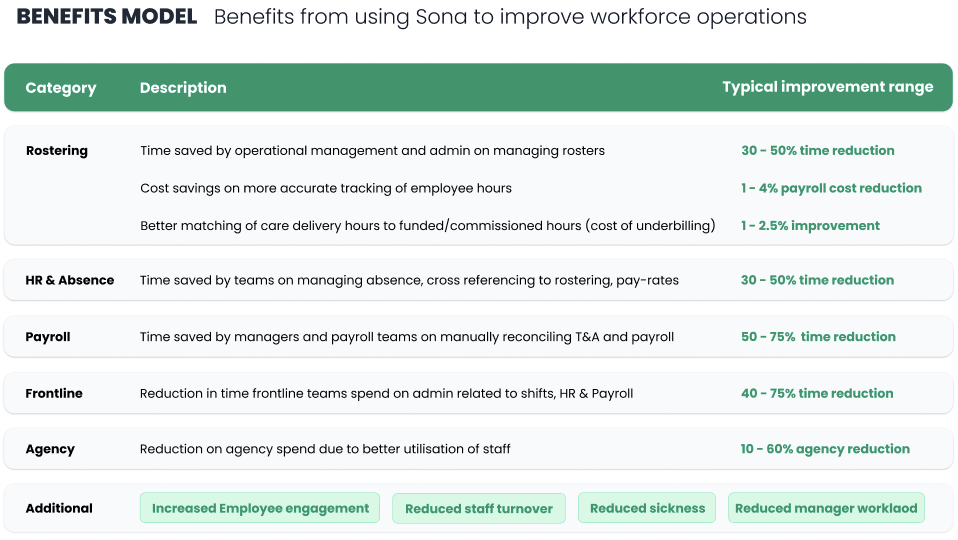 Overall, according to Sona shift data, up to 20% of these costs are in scope for savings with a next generation solution.
Based on a recent Deloitte Centre for Health Solutions report, shifting to digital scheduling will have huge implications for employee morale, work-life balance and managing temporary staff. This is particularly important as flexible work becomes more and more a priority for those joining Care.
This means that sticking to analogue scheduling or legacy providers could hamper everything from recruiting and retaining skilled professionals to missing out on productivity gains and cost savings.
Finally, with scheduling playing a core role for many Care home operations - including HR and Payroll - selecting the right provider will simplify the next few stages of a successful digital journey.


.webp)




.png)