








What Hospitality need to know about the Employee Rights Act
3 minute read
We recently sat down with hospitality leaders and employment law experts to discuss what the Employment Rights Act will actually mean in practice.
The headlines focus on ambition. The challenge for operators is practical: How do you stay compliant, control costs, and keep operations flexible at the same time?
“This will feel like Christmas for HR teams — and Halloween for finance teams.”
Alex Watson, Fieldfisher
With insights from Fieldfisher’s Alex Watson and Sona’s own Paul Watson (VP) and Zac Da Rocha (Head of Product), we explored how hospitality leaders can prepare for the most significant employment law changes in years.
The big shift: from firefighting → future-proofing
For years, operators have responded to change as it comes – responding to issues as they arise, juggling rotas, managing absence on the fly, and dealing with compliance when needed.
That approach becomes harder from 2026.
From 2026, new Day One rights and tougher enforcement mean prevention beats cure. Businesses will need:
- Clear processes
- Strong systems
- Visible audit trails
Compliance can no longer sit in spreadsheets, inboxes and memory, it needs to be built into everyday operations.
Where hospitality will feel it most
Three areas stood out as the biggest pressure points:
1️⃣ Predictable working & guaranteed hours
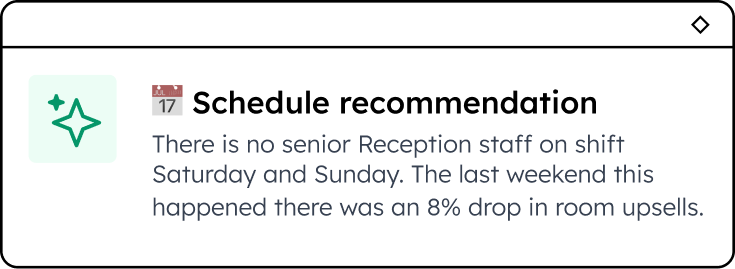
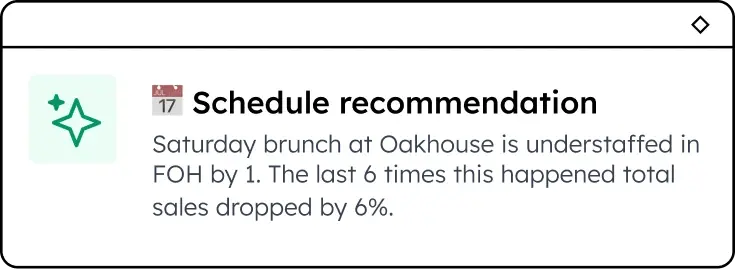
Hospitality thrives on flexibility. But reforms around predictable working will make rota planning, shift changes and seasonal staffing far more complex.
Operators will need smarter scheduling, clearer shift logic, and better visibility into hours worked.
2️⃣ Day One SSP & absence management
With Statutory Sick Pay payable from Day One, absence becomes an operational and financial issue, not just a payroll one.
Tracking patterns, managing short-term absence and running effective return-to-work conversations will be critical.
3️⃣ Compliance & record keeping
In a tougher tribunal landscape, data becomes your defence. Being able to show what happened, when, and why will be key to protecting the business.
A higher bar for harassment prevention
From October 2026, harassment law changes will significantly raise employer responsibility.
The legal duty moves from taking “reasonable steps” to “all reasonable steps” — including protection from third-party harassment by customers and guests.
- Training alone will not be enough. Policies need to stay current. Prevention has to be ongoing.
For hospitality, where customer interaction and late night working is constant, this requires a more structured approach.
The timeline: what’s coming, and when
The reforms will land in stages, and planning needs to reflect that:
April 2026
Day One SSP, stronger employee protections, and increased enforcement via the new Fair Work Agency.
October 2026
Predictable working reforms, harassment law changes, and greater tribunal exposure.
January 2027
The biggest unfair dismissal reform in decades — fundamentally reshaping probation, onboarding and early performance management.
Why early planning wins
There is a lot to absorb. Margins are already tight. The greatest risk is delaying preparation.
Operators who start early can:
- Spread cost impact
- Build smarter processes
- Reduce tribunal risk
- Improve retention and trust
Or, as one panellist put it:
“This is the summer of planning.”
Practical next steps for operators
A sensible starting point would be:
- Review probation and onboarding processes
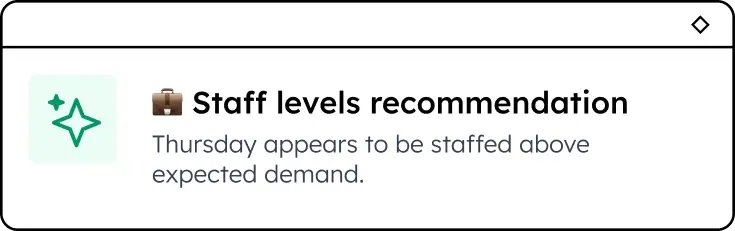
- Audit rostering and shift management
- Update short-term absence and SSP policies
- Strengthen harassment prevention procedures
Small improvements now will prevent major problems later.
Final thought
The period leading up to 2027 will be complex. Managed well, these reforms can lead to clearer processes and stronger management discipline.
And that’s good for teams, guests, and long-term growth.
➡️ Want to see what Sona can do for your operations? Let’s get some time in the diary to chat about your 2026 goals and see where tech can make a difference.
Enjoyed this article? Let's stay in touch 👋
If you liked this article, why not subscribe to our newsletter to get the latest news and views delivered straight to your inbox?