










AI in Social Care: Hype to real-world results
5 minute read
Our takeaways from the Sona, Care England and Greensleeves webinar
Watch the full webinar here:
The social care sector has reached a point where AI is no longer a distant ambition. It is already reshaping daily work, helping providers reduce pressure on teams, tighten compliance and create more time for meaningful resident interactions. But many organisations still struggle to understand what AI actually looks like on the ground. What works, what needs careful handling, what delivers the biggest impact fastest.
We hosted a webinar with sector leaders from Greensleeves Care and Care England. The conversation brought together a real mix of perspectives. Steve Bowler, Digital Transformation Implementation Manger at Greensleeves, shared how AI is changing frontline workflows. Sue Weller, IT & Digital Transformation Director at Greensleeves, gave insights into how data-driven tools are supporting quality improvement. Ben, our co-founder and Chief Technology Officer, explained where the sector’s AI maturity is heading next. And Richard Ayres, Social Care Advisor of Care England, offered invaluable guidance on the national, regulatory and workforce landscape.
Let’s unpack the most important insights from the session.
1. AI is already transforming Social Care and the shift is more practical than futuristic
When people hear “AI”, they often imagine something clinical or futuristic. But the real transformation is happening in simple, practical ways that remove friction from everyday work. The most valuable AI and tech stacks aren’t necessarily dramatic.
Steve noted that Greensleeves isn’t using AI to reinvent care. They’re using it to remove some of the thousands of small admin tasks that slow teams down every day.
Providers across the sector are already seeing:
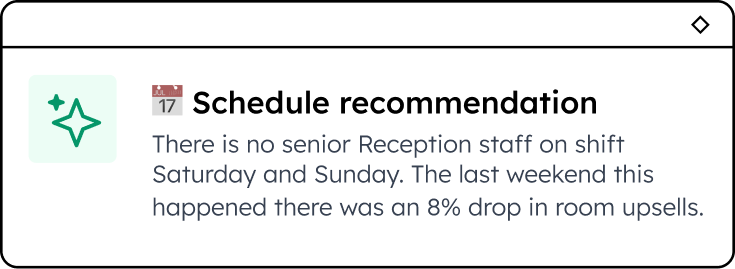
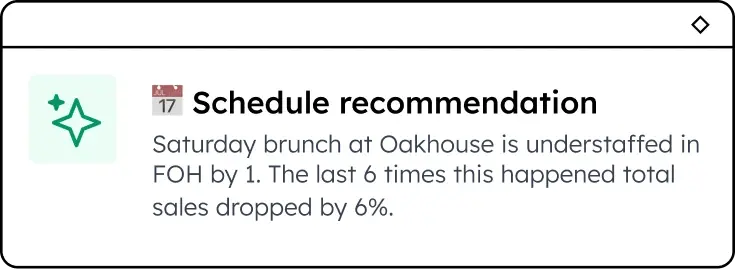
- smarter rotas with fewer last-minute changes
- automated summaries of handovers and notes
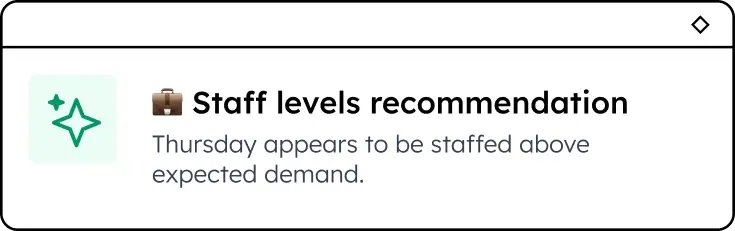
- early warnings about staffing pressure or resident risk
- documentation that takes minutes instead of hours
2. The biggest adoption challenge isn’t technology, it’s workplace culture
Our webinar board all agreed that people are more complex than any algorithm. Staff worry whether AI will replace their role, monitor them or judge their work. These concerns are very much valid and need to be addressed with empathy.
Sue explained that Greensleeves made progress because they approached adoption as a cultural journey, not a technology rollout. They let staff try tools early, ran pilots and they invited honest questions about data privacy. It’s really important that teams feel included and reassured in the adoption phases, so the experience becomes collaborative rather than imposed.
3. AI can genuinely support workforce wellbeing when introduced thoughtfully
Burnout remains one of the sector’s biggest risks. AI alone won't fix that, but it can remove a huge amount of the daily pressure that contributes to it.
Ben outlined how automation can dramatically reduce repetitive tasks. Predictive scheduling helps avoid chaotic rota patterns. Early alerts prevent situations that otherwise escalate into crisis mode. All of this creates calmer, more predictable shifts.
Successful wellbeing-focused adoption usually includes:
- small pilots
- open feedback loops
- simple, supportive training
- celebrating early wins to build confidence
Building on this, Steve highlighted:
“When implemented the right way, AI can not only empower staff, but also improve morale and even shift organisational thinking towards more proactive, data-informed care.”
4. AI is strengthening care quality by giving teams earlier, clearer insight
Quality teams spend a lot of time looking backwards at incidents, audits and reports. AI allows them to look forward.
Sue explained how proactive dashboards at Greensleeves help identify emerging patterns before they turn into problems. It’s not about replacing clinical judgement. It’s about giving teams better information earlier.
Examples include:
- spotting documentation gaps
- noticing changes in resident patterns
- identifying staffing risks before they impact care
- guiding managers toward areas that need support
5. Strong partnership across the sector is essential
No provider, no tech company and no representative body can tackle this shift alone. Collaboration between frontline experts, technologists and policymakers is crucial.
Richard emphasised that national bodies want to see AI used responsibly and transparently, with a strong focus on workforce support and resident protection. That alignment only happens when organisations share learning rather than operate in isolation.
Effective partnership looks like:
- co-designing tools with frontline teams
- involving representative bodies early
- openly sharing what works and what doesn’t
- building aligned standards and expectations
6. Start small, prove value, scale sustainably
The temptation with AI is to think big. But the evidence from both Greensleeves and the wider sector is clear. Successful adoption starts with simple, contained pilots.
Steve described how Greensleeves found momentum by focusing first on one high-impact area before expanding. That proof, combined with frontline feedback, created trust.
7. Data quality underpins everything
AI cannot deliver value if the data underneath it is patchy or inconsistent. Providers that are seeing success are investing in core data habits.
This means:
- consistent input processes
- straightforward training
- clear standards across services
- strong governance and privacy controls
8. Training and ongoing support make or break adoption
Technology alone doesn’t change behaviour - people do. The organisations who get AI right make training part of the culture, not a one-off exercise.
This includes:
- short, simple, role-specific guidance
- a mix of formats for different learning preferences
- refreshing training periodically
- open channels for questions without judgement
Human-centred AI strengthens relationships rather than replacing them
As Richard put it:
"Technology is at its best when it enables people to do the things only humans can do."
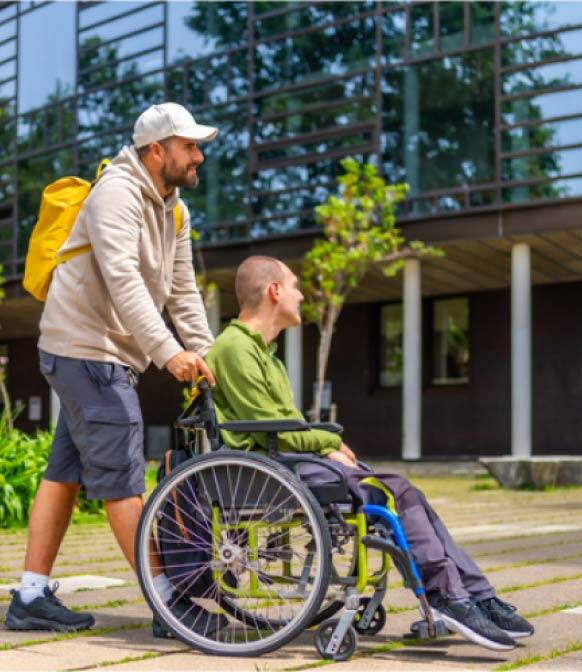
AI should never replace the human heart of social care. Instead, it should protect it. When AI removes the admin burden, staff gain the emotional bandwidth to focus on connection, empathy and personalised support.
If you're ready to explore what AI can do for your operation, we’d love to continue the conversation.
Enjoyed this article? Let's stay in touch 👋
If you liked this article, why not subscribe to our newsletter to get the latest news and views delivered straight to your inbox?